Tuesday, October 6, 2026

Used RAM Trucks near El Paso TX: Should You Buy a RAM 1500, 2500, 3500?

 Start With the Job You Need Your Truck to Do

Shopping for a used truck gets confusing fast.

You start out thinking you need a pickup. Then you’re comparing engines, towing ratings, cab sizes, bed lengths, four-wheel drive systems and trim packages. Before long, you’re looking at a heavy-duty diesel truck when all you originally needed was something to haul supplies from the hardware store.

There’s a better way to shop. Start with what you’ll actually do with the truck.

For drivers searching for used RAM trucks near El Paso TX, that usually means deciding between three familiar names: RAM 1500, RAM 2500 and RAM 3500.

All three are pickups, but they’re built for different jobs. The RAM 1500 is the everyday truck of the group. The RAM 2500 moves into serious heavy-duty territory, while the RAM 3500 is designed for buyers whose towing and hauling needs go well beyond what a light-duty pickup is intended to handle.

Buying the biggest truck isn’t automatically the smartest move. Buying the right one is.


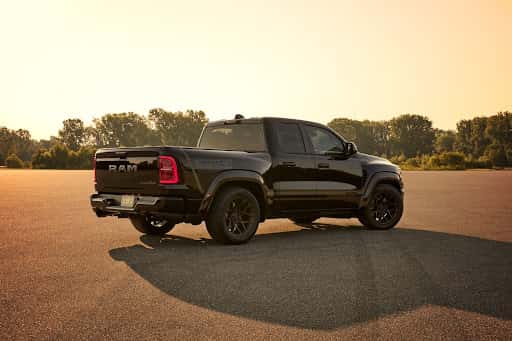
used RAM trucks near El Paso TX

Used RAM Trucks Near El Paso TX: 1500 vs. 2500 vs. 3500

The easiest way to understand the RAM lineup is to think about how frequently you need serious truck capability. A RAM 1500 works well for someone who needs a truck but still spends plenty of time commuting, running errands and taking road trips. A RAM 2500 is a better fit when heavier towing and hauling become a regular part of your routine. The RAM 3500 takes things another step and makes the most sense when demanding trailer and payload requirements are major reasons you’re buying the truck. The differences become even more important when you’re buying used because you aren’t simply choosing a model. You’re choosing a specific truck with its own mileage, maintenance history, previous workload and condition.


Who Should Buy a Used RAM 1500?

For many buyers, the RAM 1500 is the place to start. It’s a light-duty full-size pickup that balances everyday comfort with useful truck capability. Depending on model year and configuration, used RAM 1500 trucks can be found with different gasoline engines, cab styles, bed configurations, two-wheel drive or four-wheel drive. That’s a lot of flexibility.

If you commute between El Paso and surrounding communities, carry tools or recreational equipment, tackle weekend home projects and occasionally tow, a used RAM 1500 may provide all the truck you need without stepping into a heavy-duty model. It can also be easier to live with around town.

Parking, ride comfort and everyday maneuverability matter when your truck spends more time driving empty than pulling a trailer. That’s something shoppers sometimes forget. There’s no prize for owning more truck than you need.


When Does a Used RAM 2500 Make More Sense?

The RAM 2500 is where the conversation changes. This is a heavy-duty truck designed for buyers who place greater demands on their pickup. Depending on the model year and configuration, used RAM 2500 trucks may offer gasoline or diesel powertrains and substantially greater towing and hauling capability than a light-duty pickup.

A used RAM 2500 deserves consideration if you’re regularly pulling heavier trailers, hauling substantial loads or using your truck for work. It’s also popular with RV owners and drivers who need a pickup that can handle demanding recreational equipment. But capability comes with tradeoffs.

A heavy-duty truck may ride differently when unloaded, take up more space and cost more to operate or maintain depending on its configuration. If you genuinely need what a RAM 2500 offers, those tradeoffs can be worthwhile. If you don’t, a RAM 1500 may make more sense.

Who Actually Needs a Used RAM 3500?

The RAM 3500 isn’t simply a slightly bigger RAM 2500. It’s intended for serious work. Depending on year and configuration, RAM 3500 models can be equipped for substantial towing and payload demands, including applications involving large fifth-wheel or gooseneck trailers. This is the truck to consider when towing isn’t an occasional weekend activity but one of the primary reasons you’re buying a pickup.

A contractor hauling heavy equipment may need one. Someone pulling a large fifth-wheel RV may need one. Agricultural and commercial users may have a strong reason to step up to a 3500. Someone who wants a truck for commuting and occasional trips to the home-improvement store probably doesn’t. The RAM 3500 is impressive because of what it can do, but the smartest purchase is still the truck that matches your workload.

Gas or Diesel? Don’t Choose Based on Reputation Alone

Used heavy-duty truck shopping often leads to another question: gas or diesel? Diesel engines are popular for good reasons. Their torque characteristics can make them particularly well suited to demanding towing, and many truck buyers value their durability. That doesn’t mean every buyer needs one.

Gasoline-powered trucks can make plenty of sense for owners who don’t regularly tow extremely heavy loads. Purchase price, maintenance, fuel costs, expected mileage and how the truck will be used should all factor into the decision. A diesel truck that spent its life towing can also have a very different history from one primarily used for highway driving. Rather than automatically assuming diesel is better, ask yourself why you need it. If the answer is simply “because it’s a diesel,” do a little more homework.


Find Out What the Truck Used to Do for a Living

This might be the most important question when buying a used pickup. What did the previous owner do with it?

A five-year-old truck with 80,000 mostly highway miles can have a very different history from a five-year-old truck with 50,000 miles spent towing heavy equipment from jobsite to jobsite. Mileage doesn’t tell you everything. Look at the bed. Heavy scratches and dents can indicate frequent hauling. Inspect the hitch area for signs of repeated towing. Check the interior for wear that seems excessive for the mileage. None of those things automatically make a truck bad. Trucks are supposed to work. You simply want the price and condition to reflect the life the vehicle has lived.

Look Carefully at the Towing Equipment

If you’re buying a truck because you plan to tow, don’t assume every version of a particular RAM model has the same towing capacity. It doesn’t.

Engine, axle ratio, cab, drivetrain, bed configuration and equipment can affect towing and payload ratings. That becomes especially important with used trucks because you’re choosing from configurations that have already been built. Ask about the specific truck’s equipment. Check the vehicle’s labels and documentation. Make sure its capabilities match the trailer you intend to pull.

And remember that towing isn’t only about the trailer’s empty weight. Passengers, cargo, tongue weight and other equipment all matter. Buying a truck based solely on the largest towing number you’ve seen advertised for that model can lead to the wrong choice.


Inspect the Tires, Suspension and Brakes

Heavy work leaves clues. Tires are a good place to start. Look for uneven tread wear, mismatched tires, sidewall damage and overall tread depth. Uneven wear may point toward alignment or suspension issues that deserve further inspection. Then look underneath.

Check for obvious leaks, damaged components and signs of previous repairs. Brakes deserve attention too, particularly on a truck that may have spent significant time towing. If you’re unsure what you’re looking at, a professional inspection is worth considering. Used trucks can be excellent values, but they’re also vehicles designed to do demanding jobs. A thorough inspection gives you a much better idea of what you’re actually buying.

Four-Wheel Drive or Two-Wheel Drive?

Around El Paso and southern New Mexico, this decision depends heavily on where you plan to go. A two-wheel-drive truck may work perfectly well for someone who stays primarily on paved roads and values simplicity. Four-wheel drive becomes more appealing if your routine includes dirt roads, recreation areas, jobsites or trips into terrain where additional traction may be useful. Drivers who travel into higher elevations around New Mexico may also appreciate the added capability during winter conditions. Again, don’t buy a feature simply because it sounds better. Think about where the truck will actually spend its time.

Don’t Ignore the Interior

Mechanical condition deserves most of your attention, but you’re still going to spend hours sitting inside the truck. Test everything.

Check the air conditioning—especially if you’re shopping around El Paso. Make sure the heater works. Test the windows, locks, power seats, cameras, touchscreen and phone connectivity. If the truck has towing technology, explore those features too. Sit in the rear seats if you regularly carry passengers. Some RAM trucks are essentially work tools inside. Others can feel surprisingly upscale, especially higher trims with leather seating and additional comfort features. Used shopping can sometimes let your budget reach a better-equipped trim than you originally expected. Just make sure you’re paying for features you’ll actually use.

Why Used RAM Trucks Work Well Around El Paso

The El Paso and southern New Mexico region gives truck owners plenty of reasons to want flexibility. A pickup might spend one day commuting on I-10 and the next hauling supplies, pulling recreational equipment or heading out for a weekend away from town.

Long highway distances also make comfort more important than people sometimes expect. That’s one reason the RAM lineup works well for used buyers. You can choose the level of capability that matches your lifestyle instead of trying to make one truck do everything.

For many drivers, that’s the RAM 1500. For others, it’s clearly a 2500. And when the workload gets serious enough, the RAM 3500 starts making sense.


Why Shop at a RAM Dealership for a Used Truck?

A knowledgeable RAM dealership can be particularly useful when you’re comparing used trucks because configuration matters so much. Two RAM 2500 trucks from the same model year may have different engines, drivetrains, axle ratios, equipment and towing capabilities.

At Viva Chrysler Dodge Ram Jeep Fiat, 860 N Telshor Blvd., Las Cruces NM 88011, shoppers can compare used truck options and discuss what they need their next pickup to do.

That conversation should include more than your budget. Talk about the trailer you pull. Mention how often you tow. Explain whether the truck will be a daily driver, work vehicle or both. If you need four-wheel drive, say why. The more specific you are about your needs, the easier it becomes to narrow down the right truck.


Frequently Asked Questions About Used RAM Trucks

Is a used RAM 1500 or RAM 2500 better for everyday driving?

For many drivers who primarily commute and occasionally tow or haul, a RAM 1500 may be the more practical choice. A RAM 2500 makes more sense when heavier towing and hauling are regular requirements.

Should I buy a RAM 2500 or RAM 3500 for towing?

It depends on the weight and type of trailer, how frequently you tow and the configuration of the truck. A RAM 3500 is intended for more demanding towing and payload applications, but not every buyer needs that additional capacity.

Is a diesel RAM truck worth buying used?

It can be, particularly for buyers who regularly tow demanding loads or put substantial mileage on their trucks. However, maintenance history, previous use, purchase price and your actual towing needs should all be considered.

What should I inspect before buying a used RAM truck?

Check available maintenance and vehicle history records, tires, brakes, suspension, underside, towing equipment, bed condition and electronics. A thorough test drive and professional inspection can also help identify potential issues.

How many miles is too many for a used RAM truck?

There’s no single mileage number that determines whether a truck is a good or bad purchase. Maintenance, previous workload, age and current mechanical condition are all important. A well-maintained higher-mileage truck can sometimes be a better buy than a neglected lower-mileage one.

Should I buy a 4×4 used RAM truck in New Mexico?

Four-wheel drive can be useful for drivers who regularly travel on dirt roads, rough terrain, jobsites or into areas with winter weather. Buyers who primarily stay on paved roads may find a two-wheel-drive truck meets their needs.

Where can I shop for used RAM trucks near El Paso TX?

Drivers searching for used RAM trucks near El Paso TX can visit Viva Chrysler Dodge Ram Jeep Fiat at 860 N Telshor Blvd., Las Cruces NM 88011 to explore available used pickups and compare RAM 1500, RAM 2500 and RAM 3500 options.


Buy the Truck You Need, Not Just the Biggest One

It’s easy to get carried away when shopping for a pickup. More horsepower sounds better. More towing sounds better. A bigger truck looks more capable. But none of those things automatically make it the right truck for you.

The RAM 1500 is a strong choice for buyers who want everyday usability with genuine pickup capability. The RAM 2500 steps up when towing and hauling become a bigger part of the job. The RAM 3500 is there for buyers who have serious heavy-duty demands. When comparing used RAM trucks near El Paso TX, spend less time asking which truck is biggest and more time asking which truck fits your life. Check its history. Inspect how it was used. Verify its towing equipment. Drive it long enough to see how it feels. And don’t let a low odometer reading replace a proper inspection.

Visit Viva Chrysler Dodge Ram Jeep Fiat, 860 N Telshor Blvd., Las Cruces NM 88011, to explore used RAM truck options and find the pickup that makes sense for your work, weekends and everyday driving.

Saturday, October 3, 2026

Jeep Brake Service in Las Cruces NM: 7 Signs Your Jeep May Need a Brake Inspection


Your Brakes Usually Give You Some Warning

Brake problems don’t always start with a dramatic warning light or a vehicle that suddenly won’t stop.

More often, the first clue is small.

Maybe you hear a squeak backing out of the driveway. The steering wheel shakes a little when slowing from highway speed. The brake pedal doesn’t feel quite like it used to. You might even notice that stopping takes slightly more effort than you remember.

Those changes are easy to ignore, especially when your Jeep still seems to drive normally.

But brakes are one part of your vehicle where waiting for a small problem to become an obvious problem doesn’t make much sense.

If you’re wondering whether it’s time for Jeep brake service in Las Cruces NM, pay attention to what your vehicle is telling you. Heat, highway driving, mountain trips, dust, towing and stop-and-go traffic can all affect how quickly brake components wear.

Here are seven signs that it’s worth having your Jeep’s braking system inspected.


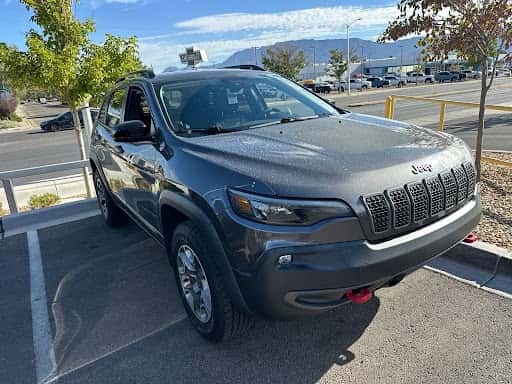
Jeep brake service in Las Cruces NM

Jeep Brake Service in Las Cruces NM: When Should You Have Your Brakes Checked?

There’s no single mileage number that tells every Jeep owner exactly when brake pads will need replacement.

Driving habits matter too much. Someone who spends most of their time cruising long distances on the highway may get very different brake life from someone who drives primarily in traffic. Towing, carrying heavier loads and frequent mountain driving can also increase brake use.

Instead of relying only on mileage, pay attention to changes in sound, pedal feel and braking performance.

Regular inspections during routine maintenance can also help catch wear before you start hearing or feeling anything unusual.


1. Your Brakes Are Squeaking or Squealing

A squeaking brake is probably the warning sign most drivers recognize. It doesn’t always mean your brakes are in immediate danger of failing. Moisture, dust and surface conditions can sometimes cause temporary noises.

A squeal that keeps returning is different. Many brake pads are designed to produce a warning sound as the friction material wears down. That noise is essentially the vehicle’s way of telling you it’s time to have the pads checked.

Don’t solve the problem by turning up the radio. If a squeal happens consistently when you apply the brakes, schedule an inspection and find out what’s causing it.


2. You Hear Grinding When You Brake

Grinding deserves more attention. A harsh metallic grinding noise can indicate that brake pad friction material has worn significantly and metal components may be making contact.

Continuing to drive in that condition can potentially damage additional brake components and increase repair costs. It can also affect braking performance.

If your Jeep develops a grinding noise while braking, don’t assume you can simply wait until the next scheduled oil change. Have it inspected promptly.


3. The Steering Wheel Shakes While Braking

You’re driving along I-25 or I-10, everything feels normal, and then you apply the brakes. Suddenly the steering wheel starts vibrating.

That’s something worth investigating. Brake vibration can have several possible causes, including issues involving rotors, brake components, tires, suspension or other parts of the vehicle.

The speed at which the vibration occurs and whether you feel it in the steering wheel, brake pedal or entire vehicle can help a technician diagnose the problem. Don’t automatically assume you know what’s wrong. An inspection is the best way to determine what’s actually causing the vibration.

4. The Brake Pedal Feels Different

You drive your Jeep regularly, so you’re probably more familiar with the brake pedal than you realize. If the pedal suddenly feels softer, firmer or requires more travel than usual, pay attention.

A soft or spongy pedal can be associated with several issues in the braking system. Changes in pedal feel may also indicate something that requires immediate attention. The important part is recognizing the change.

You don’t need to diagnose the problem yourself. That’s what trained technicians are for. You just need to notice that yesterday’s brake pedal and today’s brake pedal don’t feel the same.


5. Your Jeep Pulls When You Brake

Your Jeep should remain reasonably straight and predictable when you slow down. If it suddenly pulls noticeably toward one side during braking, there could be an issue with the brakes or another part of the vehicle.

Several things can cause pulling, including tire pressure, alignment, suspension components and braking-system problems. That’s why simply replacing brake pads without diagnosing the vehicle isn’t always the right answer.

A technician can inspect the complete system and determine what’s actually causing the behavior.


6. The Brake Warning Light Comes On

Dashboard warning lights aren’t decorations. If a brake-related warning appears, find out what it means.

Some dashboard indicators can be associated with the parking brake, brake fluid level, anti-lock braking system or another component, depending on your Jeep model and model year. Your owner’s manual can help explain the specific indicator.

If the warning remains illuminated or appears while driving, have the vehicle evaluated rather than assuming it will eventually disappear. Modern vehicles monitor numerous systems, and warning lights can provide an early clue that something needs attention.


7. Your Jeep Takes Longer to Stop

This one can be harder to notice because changes may happen gradually. You become accustomed to pressing the pedal a little earlier. You leave more distance without consciously thinking about why. Eventually, what feels “normal” may not be how the Jeep performed when the braking system was in better condition.

If stopping distances seem longer or the vehicle doesn’t respond to braking the way it once did, get it checked.

Braking performance isn’t something to gamble with.


Why Las Cruces Driving Can Be Tough on Brakes

Southern New Mexico presents its own mix of driving conditions. Summer temperatures can be intense. Many drivers spend significant time at highway speeds. Trips into mountainous areas introduce elevation changes and longer downhill stretches. Dust and debris are simply part of living in a desert environment.

Then there’s towing. Jeep owners who pull small campers, boats, utility trailers or recreational equipment ask more from their braking systems than drivers whose vehicles rarely carry additional weight.

Your driving style matters too. Following closely and braking hard repeatedly will generally create more brake wear than leaving additional following distance and slowing gradually.

That’s why maintenance schedules are useful guides, but actual vehicle condition still matters.


Brake Pads and Rotors Don’t Always Wear at the Same Rate

Brake pads are designed to wear. Rotors also experience wear, but that doesn’t mean both parts automatically need replacement at exactly the same time.

When your Jeep comes in for a brake inspection, a technician can evaluate pad thickness and rotor condition along with other braking components. Rotors may be checked for thickness, surface condition and other signs of wear or damage.

The goal should be to replace what’s necessary based on actual condition—not simply assume every brake service requires the same parts.

Don’t Forget About Brake Fluid

Pads and rotors get most of the attention, but they’re only part of the braking system. Brake fluid plays an essential role by transmitting hydraulic pressure through the system when you press the brake pedal.

Over time, brake fluid condition can change. The correct inspection and service interval depends on the vehicle, model year and manufacturer recommendations.

Rather than following a random internet rule about changing brake fluid at a specific mileage, check your Jeep owner’s manual and have the system inspected according to the recommended maintenance schedule.

That’s a better approach than treating every Jeep model exactly the same.


Mountain Driving Changes How You Should Brake

One weekend you might be driving around Las Cruces. The next, you could be headed toward Cloudcroft or another higher-elevation destination.

Long downhill grades can put considerably more demand on brakes than ordinary flat-road driving. Riding the brake pedal continuously creates heat.

Instead, maintaining appropriate speeds and using proper downhill-driving techniques can help reduce unnecessary brake heat. Depending on the vehicle and situation, selecting an appropriate gear can help control speed without relying entirely on the brakes. Always follow the guidance in your owner’s manual for your specific Jeep.

If you frequently drive in mountainous areas, mention that when having your brakes inspected. How you use your vehicle matters when determining maintenance needs.


Off-Road Jeep Owners Should Inspect Their Brakes Too

Taking your Jeep away from pavement adds another consideration. Mud, sand, gravel, dust and water can expose brake and suspension components to conditions that ordinary commuter vehicles rarely encounter.

After demanding off-road trips, it can be smart to visually inspect the vehicle and pay attention to anything that sounds or feels different on the drive home. You don’t need to become your own mechanic. Just know your Jeep.

If you hear a new noise after a trail weekend, don’t assume it’s “just a Jeep thing.” Find out what changed.

How Can You Help Your Brakes Last Longer?

You can’t eliminate brake wear, and you shouldn’t try. Friction is how brakes do their job.

You can avoid unnecessary wear, though. Leave reasonable following distance so you aren’t constantly making hard stops. Anticipate traffic lights and slowing traffic instead of accelerating toward them and braking at the last moment.

If you’re towing, make sure your Jeep and trailer are properly equipped for the load. Keep tires properly inflated and maintained because tires play an important role in how effectively a vehicle can stop.

Most importantly, don’t ignore changes. Catching worn pads during an inspection is much better than waiting until you’re hearing metal-on-metal grinding.

Why Choose a Jeep Dealership for Brake Service?

A Jeep dealership gives owners access to technicians familiar with Jeep vehicles and their braking, suspension, electronic and four-wheel-drive systems.

That’s useful because what feels like a brake problem isn’t always caused exclusively by the brakes.

Vibration, pulling or warning lights can involve multiple vehicle systems. Proper diagnosis matters.

At Viva Chrysler Dodge Ram Jeep Fiat, 860 N Telshor Blvd., Las Cruces NM 88011, Jeep owners can have their vehicles inspected and serviced by technicians familiar with Jeep models.

Dealership service can also help keep maintenance records together over time, which can be useful for understanding previous work and planning upcoming maintenance.

Frequently Asked Questions About Jeep Brake Service

How often should Jeep brakes be replaced?

There isn’t one replacement interval that applies to every Jeep. Brake life varies based on vehicle model, driving habits and driving locations, traffic, towing, terrain and other conditions. Regular inspections are a better way to determine actual brake condition.

How do I know if my Jeep needs new brake pads?

Common warning signs include persistent squealing, grinding, changes in pedal feel, reduced braking performance or other unusual behavior while stopping. A brake inspection can determine pad thickness and overall system condition.

Why does my Jeep shake when I brake?

Brake-related vibration can have several possible causes, including issues involving rotors or other brake components. Tires, steering and suspension can also contribute to vibration, so diagnosis is important before replacing parts.

Is it safe to drive if my brakes are grinding?

Grinding can indicate significant brake wear or another problem that needs prompt attention. Continuing to drive could potentially cause additional damage or affect braking performance. Have the vehicle inspected as soon as possible to avoid potential further damage or more expensive repairs.

Do brake pads and rotors need to be replaced together?

Not necessarily. A technician should inspect both and determine their condition. Whether rotors require replacement depends on wear, thickness, surface condition and the manufacturer’s specifications for the vehicle.

Can mountain driving wear Jeep brakes faster?

Frequent downhill braking can generate significant heat and increase brake wear. Drivers who regularly travel in mountainous areas should pay particular attention to braking performance and follow proper downhill-driving techniques.

Does towing affect brake wear?

It can. A vehicle carrying or towing additional weight has more mass to slow down, which can place greater demands on the braking system. Proper trailer equipment and regular brake inspections are particularly important for drivers who tow frequently.

Where can I get Jeep brake service in Las Cruces?

Drivers looking for Jeep brake service in Las Cruces NM can visit Viva Chrysler Dodge Ram Jeep Fiat at 860 N Telshor Blvd., Las Cruces NM 88011 for brake inspections, maintenance and Jeep service.


Listen to What Your Jeep Is Telling You

You don’t need to know how to replace brake pads to recognize when something isn’t right.

You know how your Jeep normally feels.

When a new squeak appears, the steering wheel starts vibrating or the brake pedal suddenly feels different, that’s useful information. Don’t dismiss it just because the vehicle still stops.

A quick inspection can tell you whether you’re dealing with ordinary wear or something that needs attention.

And that’s really the point of brake maintenance: finding problems while they’re still manageable instead of waiting until they become obvious.

For professional Jeep brake service in Las Cruces NM, visit Viva Chrysler Dodge Ram Jeep Fiat, 860 N Telshor Blvd., Las Cruces NM 88011. Whether your Jeep spends most of its time commuting, exploring New Mexico, towing a trailer or doing a little of everything, keeping its braking system properly maintained is one of the simplest ways to help keep every drive predictable and safe.

Tuesday, September 29, 2026

The Smart Alternative to Brand New: Why Go Certified Pre-Owned?

Shopping for a vehicle in Southern New Mexico usually comes down to balancing your budget with the need for something completely reliable. Whether you commute daily across Doña Ana County, haul supplies down I-10, or head up into the mountains near Ruidoso, you need a truck or SUV that can handle desert heat and rough roads without giving up on you.


While buying a brand new vehicle is exciting, high sticker prices and fast initial depreciation make a lot of people take a step back to review other options. On the flip side, buying a typical used car off a private lot can feel like a roll of the dice. That is where the Mopar Certified Pre-Owned (CPO) program fills the gap. It gives you near-new quality, real factory warranty coverage, and long-term peace of mind for a much more reasonable price.


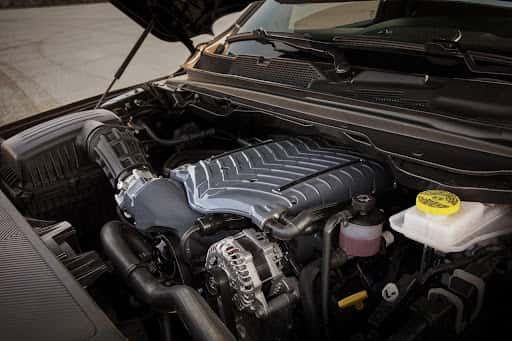
Certified pre-owned Jeep Las Cruces


What Does It Take to Become Mopar Certified?

Not every used truck or SUV on the lot qualifies for certification. To earn the CPO badge, a vehicle has to meet strict age, mileage, and condition standards set directly by the factory.


Before a technician even picks up a wrench, the vehicle must:

  • Have fewer than 75,000 miles on the odometer.
  • Be within five model years of the current year.
  • Hold a clean title with a record of proper upkeep.
  • Clear a background check using a CARFAX vehicle history report to prove it has no history of major accidents or title issues.


Once a vehicle clears those baseline requirements, it goes straight to a factory-trained technician for a detailed mechanical and cosmetic check.


The CPO 125-Point Inspection

A vehicle doesn’t get listed as certified until it passes a thorough CPO 125-point inspection. Technicians inspect every major system to ensure the vehicle drives and operates the way it should.


During the vehicle inspection, technicians inspect:

  • Engine and Cooling Systems: Fluid condition, belts, hoses, battery health, and radiator performance are checked so the vehicle is ready for triple-digit summer heat.
  • Drivetrain & 4×4 Components: The engine, transmission, transfer case, differentials, and drive shafts undergo static testing and a real road test.
  • Brakes and Suspension: Brake pads, rotors, shocks, and steering parts are measured. Anything worn past strict safety limits gets replaced with original Mopar parts.
  • Cabin and Exterior Details: Body panels, lights, power windows, air conditioning output, and seat adjustments are verified for proper operation.
  • Safety Features: Airbags, seatbelts, touchscreen displays, and backup cameras undergo full electronic diagnostics.


If a vehicle fails any part of the inspection and cannot be brought back to factory standards using original parts, it simply does not get certified.


Certified Pre-Owned Jeep Las Cruces: Factory Backed Confidence

If you are currently looking through certified pre-owned Jeep Las Cruces options, choosing CPO means getting real manufacturer support that standard used car lots cannot offer.


When you buy a certified pre-owned Ram 1500 or Wrangler, your purchase comes with official Mopar vehicle protection directly from the manufacturer:

  • 7-Year/100,000-Mile Powertrain Limited Warranty: Covers major mechanical parts like the engine, transmission, and drive axles from the vehicle’s original sale date.
  • 3-Month/3,000-Mile Maximum Care Warranty: Gives you comprehensive bumper-to-bumper coverage starting the day you buy the CPO vehicle or when the original factory warranty runs out.
  • 24/7 Roadside Assistance: Covers flat tire changes, jump-starts, lock-outs, fuel delivery, and towing anywhere in Southern New Mexico.
  • Car Rental Allowance: If your vehicle needs a covered repair that keeps it overnight, rental reimbursement helps keep your daily routine on track.


Choosing a certified pre-owned Jeep Las Cruces driver’s recommendation lets you drive off with a solid vehicle backed by actual factory warranties.


Why CPO Works Well for Southern New Mexico Drivers

Driving around here comes with a few extra demands. Heavy summer heat breaks down engine fluids fast, and long stretches of highway mean you want to avoid unexpected breakdowns.


A CPO truck or SUV offers practical benefits for local driving:


1. Ready for High-Desert Heat

Since every CPO vehicle gets a complete cooling system, battery, and fluid check during inspection, you can drive through hot summer afternoons on I-25 without keeping a constant eye on the temp gauge.


2. Off-Road and Towing Dependability

If you pick up a pre-owned Ram 1500 for pulling trailers or a pre-owned Wrangler for weekend trips out by the Organ Mountains, you know the transfer case, axle gears, and 4×4 engagement systems have already been tested by a pro.


3. Slower Depreciation, Better Value

New vehicles lose a big chunk of their value in the first couple of years. Buying CPO lets the original owner take that initial loss, allowing you to get a low-mileage, well-equipped trim, like a Ram Laramie or Jeep Rubicon, for thousands less than brand new.


Visit Viva Chrysler Dodge Ram Jeep Fiat

When you are ready to check out low-mileage certified inventory, work with a local team that puts vehicle quality first.


Take a look at available CPO trucks, SUVs, and cars at Viva Chrysler Dodge Ram Jeep Fiat, 860 N Telshor Blvd., Las Cruces NM 88011. Their staff can print out detailed CARFAX reports, explain the Mopar warranty details, and hand you the keys for a test drive.


Frequently Asked Questions (FAQ)

What are the benefits of buying a Certified Pre-Owned Ram or Jeep in Southern New Mexico?

Buying CPO gets you a low-mileage vehicle that passed a 125-point inspection, backed by a 7-Year/100,000-Mile Powertrain Warranty, 24/7 roadside assistance, and a clean CARFAX report, giving you dependable performance at a used-car price.


Is the Mopar CPO warranty transferable if I sell the vehicle later?

Yes. Mopar CPO limited warranties transfer to the next private owner for a small administrative fee, which helps protect your vehicle’s resale value down the road.


What is covered during the CPO 125-point inspection?

The inspection covers all major mechanical systems, including the engine, transmission, 4×4 setup, brakes, suspension, steering, air conditioning, electronics, safety gear, and overall body condition.


Do CPO vehicles come with a vehicle history report?

Yes. Every Mopar CPO vehicle includes a full CARFAX vehicle history report confirming a clean title, documented maintenance records, and no history of severe structural damage.